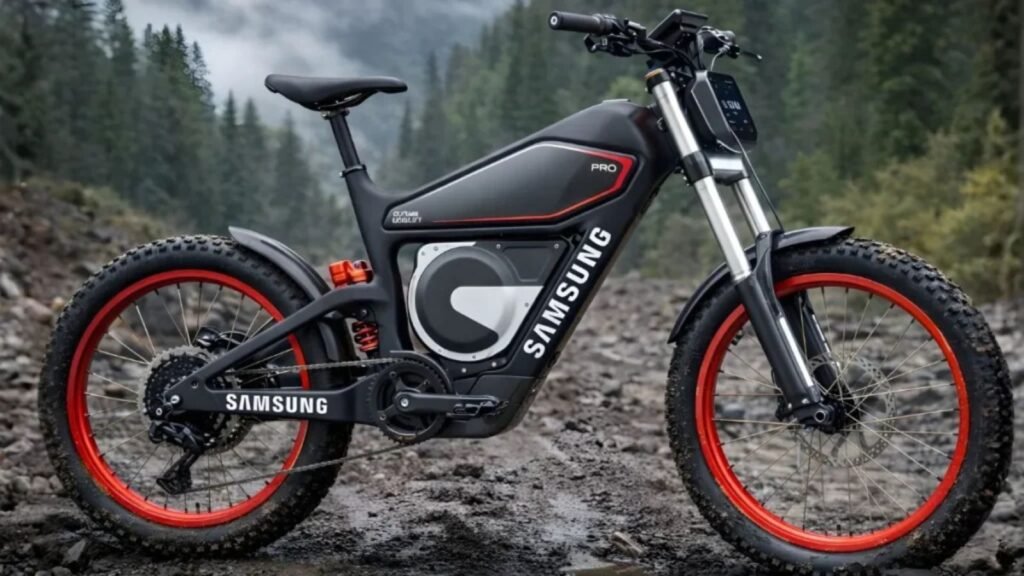
Electric mobility in India is no longer a futuristic concept or a niche lifestyle choice. It is quickly becoming a practical necessity. With petrol prices fluctuating, traffic congestion worsening in metro cities, and public transport often overcrowded, more people are searching for affordable and efficient alternatives. In this changing landscape, electric cycles have carved out a strong space for themselves.

Now, discussions around the 2026 Samsung Electric Cycle are spreading rapidly across social media, tech forums, and news platforms. The reason? The claimed specifications sound almost too good to be true. Reports suggest that the 2026 Samsung Electric Cycle could offer an astonishing 200KM range, a top speed of 50 km/h, and an eye-catching price of just ₹17,000. Naturally, such numbers are creating curiosity, excitement, and also skepticism.
If these claims hold even partial truth, the 2026 Samsung Electric Cycle could completely reshape the affordable electric mobility segment in India. But before jumping to conclusions, let’s break down everything in detail and understand what this potential launch could mean for buyers.
Massive Range That Turns Heads
The most talked-about feature of the 2026 Samsung Electric Cycle is the claimed 200KM range on a single charge. For context, most electric cycles currently available in India offer between 40 to 80 kilometers of range, depending on battery size and riding conditions. A 200KM range would be a massive leap forward.
For daily commuters, even 50–60 kilometers is typically more than enough. Most office-goers travel less than 20 kilometers one way. College students and local business owners usually cover even shorter distances. If the 2026 Samsung Electric Cycle truly delivers 200KM per charge, it would mean charging just once or twice a week for the average user.
However, real-world range depends on several factors:
-
Rider weight
-
Terrain and road conditions
-
Use of pedal assist vs. throttle mode
-
Riding speed
-
Weather conditions
If Samsung is indeed entering this segment, the battery technology used in the 2026 Samsung Electric Cycle will be critical. A large battery pack would be required to achieve such numbers, and that raises questions about weight, cost, and charging time.
Until official test data is released, it is wise to treat the 200KM claim as a best-case scenario under ideal conditions rather than guaranteed everyday performance.
Speed That Feels Like a Game-Changer
The second headline-grabbing claim about the 2026 Samsung Electric Cycle is its top speed of 50 km/h. This figure immediately sets it apart from standard electric bicycles in India, which are typically limited to 25 km/h to avoid licensing and registration requirements.
A 50 km/h top speed would position the 2026 Samsung Electric Cycle closer to low-speed electric scooters rather than traditional e-cycles. For riders, this could mean significantly reduced commute times and the ability to keep up with city traffic more comfortably.
But there is an important regulatory angle here. In India:
-
Electric vehicles under 25 km/h generally do not require registration or a driving license.
-
Vehicles exceeding 25 km/h may fall under different compliance rules.
If the 2026 Samsung Electric Cycle truly reaches 50 km/h, buyers will need clarity on:
-
Whether registration is required
-
If a driving license is mandatory
-
Helmet requirements
-
Insurance obligations
Without clear classification, potential buyers could face confusion regarding road legality. This is why official documentation from Samsung will be crucial before making assumptions.
The ₹17,000 Price Tag: Realistic or Viral Hype?
Perhaps the most surprising aspect of the 2026 Samsung Electric Cycle rumors is the ₹17,000 price claim. In today’s market, electric cycles with decent battery capacity and reliable components usually cost significantly more.
Offering a high-speed, long-range product at such an aggressive price would be revolutionary. But it also raises serious questions:
-
How is production cost managed at this price?
-
What type of battery cells are being used?
-
What about warranty and after-sales support?
-
Is the ₹17,000 price introductory, subsidized, or limited-time?
Samsung is known for its strong manufacturing capabilities and economies of scale in electronics. If the 2026 Samsung Electric Cycle leverages existing battery and semiconductor expertise, it could theoretically lower costs. However, pricing in the electric vehicle space is heavily influenced by battery expenses, which are still a major component of total cost.
Until there is an official announcement, buyers should avoid making payments or pre-booking based solely on viral posts. The ₹17,000 figure may reflect early speculation rather than confirmed pricing.
Smart Technology Could Be the Real Highlight
If Samsung steps into the electric cycle segment, one area where it could truly stand out is smart connectivity. The 2026 Samsung Electric Cycle is expected to integrate advanced tech features, which would align perfectly with the brand’s reputation in electronics.
Possible smart features may include:
-
Digital instrument cluster
-
Mobile app integration
-
GPS tracking
-
Ride analytics and performance data
-
Anti-theft alerts
-
Remote locking system
Samsung’s experience in smartphones, wearables, and IoT devices could allow the 2026 Samsung Electric Cycle to connect seamlessly with mobile ecosystems. Imagine tracking your ride data on your phone, monitoring battery health in real time, or receiving security alerts if someone attempts to move your cycle without permission.
Such features would make the 2026 Samsung Electric Cycle attractive to tech-savvy buyers who want more than just transportation—they want a connected mobility experience.
Battery Performance: The Heart of the Matter
No matter how impressive the speed or design, the true backbone of the 2026 Samsung Electric Cycle will be its battery system. To support a 200KM range claim, a high-capacity lithium-ion battery pack would be necessary.
Key battery-related questions include:
-
Charging time
-
Fast-charging capability
-
Number of charge cycles
-
Battery warranty duration
-
Replacement cost
If the 2026 Samsung Electric Cycle offers fast charging, it could significantly enhance convenience. A long warranty period would also boost buyer confidence. Battery degradation over time is a concern for all electric vehicles, so clarity on long-term performance will be essential.
Samsung’s global experience in battery technology—especially in smartphones and electronics—could give the 2026 Samsung Electric Cycle a competitive advantage if leveraged properly.
Potential Market Impact
India’s electric mobility market is already competitive. Multiple brands offer electric cycles catering to students, office commuters, and fitness enthusiasts. However, brand trust plays a huge role in purchasing decisions.
If the 2026 Samsung Electric Cycle enters the market with credible performance and competitive pricing, it could disrupt the segment rapidly. Established brands may need to revise pricing or introduce upgraded features to stay competitive.
Samsung’s reputation for quality electronics may attract first-time electric cycle buyers who feel more comfortable choosing a well-known brand. The 2026 Samsung Electric Cycle could especially appeal to middle-class families seeking affordable and reliable transport options.
Who Would Benefit Most?
If the claims are accurate, the 2026 Samsung Electric Cycle could suit a wide range of users:
-
College students traveling daily
-
Office commuters covering short distances
-
Delivery partners seeking cost-effective mobility
-
Environment-conscious riders
-
Budget-focused buyers
Its combination of range, speed, and pricing—if confirmed—would make the 2026 Samsung Electric Cycle accessible to a broad audience.
Official Confirmation Still Pending
As of now, there is no fully verified official statement confirming all the specifications circulating online. Many viral posts tend to exaggerate features to generate clicks and shares.
Consumers interested in the 2026 Samsung Electric Cycle should rely only on announcements directly from Samsung or authorized representatives. Practical performance may differ from promotional claims.
Waiting for authentic details will prevent disappointment and ensure informed decision-making.
Final Word for Buyers
The growing buzz around the 2026 Samsung Electric Cycle highlights how strongly Indian consumers desire affordable, high-performance electric mobility. A 200KM range, 50 km/h speed, and ₹17,000 pricing combination sounds revolutionary.
If even part of these claims becomes reality, the 2026 Samsung Electric Cycle could mark a major shift in India’s electric mobility landscape. However, smart buyers should remain patient and cautious.
Electric vehicles are long-term investments. Battery reliability, service network, warranty support, and regulatory clarity matter just as much as headline specifications.
The excitement around the 2026 Samsung Electric Cycle shows the direction in which India’s mobility future is heading—toward cleaner, smarter, and more affordable transport. Whether this specific product lives up to the hype remains to be seen, but the conversation itself signals a powerful shift in consumer expectations.